Chapter 4 - THE BOARDROOM
Chapters · 4 of 10
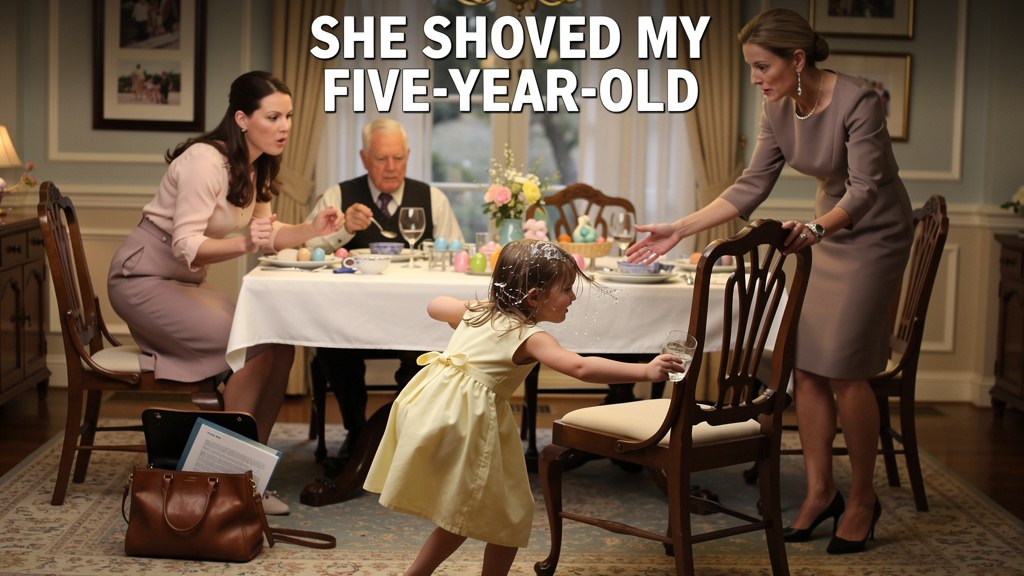
Richard entered the boardroom as though he still owned it.
Technically, he owned 14.8 percent.
That distinction did not improve his mood.
Katherine came with two attorneys.
She was not supposed to have access to headquarters, so security escorted her from the lobby to the conference room.
Rachel sat to my right.
Three independent directors joined remotely.
Northstar's two appointed directors were already seated.
Richard saw me at the head of the table.
He stopped.
“That is my chair.”
I almost smiled.
Of all possible opening lines, he chose that one.
“Sit wherever you'd like.”
“This meeting is illegitimate.”
Rachel spoke before I could.
“No, Richard. Notice was properly issued under the amended governance agreement.”
He glared at her.
“You work for me.”
“I work for Keller Heritage Living.”
The silence that followed felt familiar.
Another person Richard had mistaken for property.
Katherine threw a folder onto the table.
“This is personal retaliation.”
I looked at it.
“What is?”
“My termination.”
“You were removed pursuant to the transition governance provisions.”
“You fired me because of Easter.”
“I decided not to retain you because Easter showed me something I should have examined years ago.”
Her lawyer touched her arm.
Katherine ignored him.
“You think because you bought some debt you can walk in here and take our mother's company?”
“Our mother's company?”
“Yes.”
I leaned forward.
“Then let's talk about what happened to it.”
Rachel distributed the first report.
Occupancy.
Down eleven percent across five years.
The second.
Employee turnover.
Up thirty-eight percent.
The third.
Deferred maintenance.
Seventeen million dollars.
The fourth.
Executive discretionary expenses.
Richard's face changed.
Katherine didn't look at the pages.
“Every company carries maintenance.”
“Not like this.”
“You've never run an operating company.”
“No. I've only acquired thirty-two of them.”
Her attorney whispered something.
Katherine's jaw tightened.
I continued.
“Maple Glen delayed replacing two fire doors for seven months.”
“They passed inspection.”
“After the regional director paid for the work from another property's emergency budget because your office refused authorization.”
“I don't approve individual doors.”
“You personally rejected the capital request.”
Rachel slid a printed email across the table.
Katherine stared at it.
That was the beginning.
Not the end.
One by one, the small decisions appeared.
Staffing reduced below internal guidelines.
Capital expenditures postponed.
Vendor contracts awarded to a company owned by Katherine's college roommate without competitive bids.
A private car service billed through the resident-engagement budget.
Forty-two thousand dollars spent on her executive office renovation while a memory-care wing waited for replacement cooling units.
None of it was cinematic.
That was why it was devastating.
Katherine had not destroyed the company through one giant crime.
She had treated it exactly the way she treated Clara's chair.
As something existing for her comfort.
Richard finally spoke.
“Enough.”
I looked at him.
“These are operational matters.”
“They are the company.”
“You're humiliating your sister.”
“No.”
I closed the binder.
“She did these things when she thought no one with authority would tell her no.”
Richard's eyes hardened.
“This is because of that child.”
That child.
For perhaps the first time, other people in the room looked openly uncomfortable.
I kept my voice level.
“Her name is Clara.”
“You're destroying your mother's legacy over a family disagreement.”
“My mother's legacy is exactly why we're here.”
He pushed back from the table.
“I built this company.”
Rachel looked at him.
I answered.
“You built it with her.”
His face changed.
That was the forbidden correction.
Margaret Keller had been dead thirteen years.
Richard had spent almost all thirteen gradually changing “we” into “I.”
I opened the final document.
It wasn't financial.
It was my mother's original operating philosophy, preserved in an old investor packet.
Homes designed around dignity.
Residents treated as people rather than occupancy.
Employees empowered to report unsafe conditions without retaliation.
I slid it toward Richard.
“She wrote this.”
He didn't touch it.
I looked around the table.
“Northstar isn't liquidating Keller Heritage. We're recapitalizing it. Deferred maintenance gets funded first. Executive perks are suspended. Every facility receives an operational review. And we begin a search for a new CEO immediately.”
Katherine laughed bitterly.
“You think you're going to run it?”
“No.”
That surprised her.
“I know what I'm good at.”
I looked at the directors.
“And unlike this family, I don't need every important chair to belong to me.”